Which HR Questions Should We Answer First?
Start with the ones leaders ask every month and the data can already answer: turnover by team, time to hire and headcount against plan. Your intro call ranks your questions by value and data readiness, so the first project is the one most likely to change a decision quickly and build trust in the numbers.
Do You Need Access to Individual Employee Records?
Only where an analysis needs it, and usually less than you expect. Most reporting runs on pseudonymized data at team level, with minimum group sizes. Access is limited by role, logged and documented, and your legal and works council contacts see the plan before anything is built.
Which HR Systems Do You Work With?
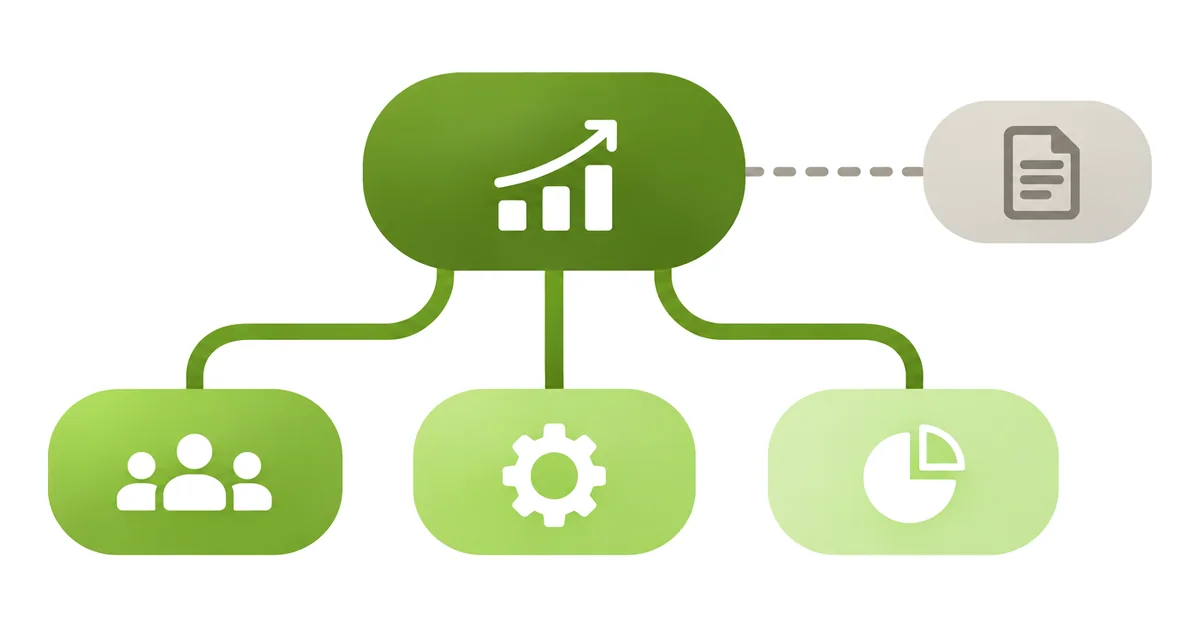
Your analytics connect to the systems you already use, such as your HR system, payroll, applicant tracking, survey and learning tools. No rip-and-replace is needed. A new tool is only suggested when it clearly pays for itself, and you see the reasoning in writing first.
How Long Does an HR Analytics Project Take?
A first reliable dashboard on one question typically takes a few weeks once data access is in place. You get a timeline with your plan after the analytics audit, and work is released in small steps, so your HR team can test each part with real data.
How Do You Protect Employee Privacy?
Privacy is part of the design from day one. Data is minimized, direct identifiers are removed where possible, small groups are never shown on their own, and every data flow is documented. NDAs are available on request, and a person stays responsible for any decision that affects an individual.
How Much Does HR Analytics Consulting Cost?
The cost depends on the number of questions, the number of source systems and the state of your data. You get a realistic cost range on your free discovery call and a fixed quote after the analytics audit, so there are no surprises later.
Can You Help Us Choose HR Analytics Software?
Yes. Your consultant compares platforms against your questions, your data and your budget, including options you already own. You get a short written recommendation, and the choice stays yours.
What Is the Difference Between HR Reporting and HR Analytics?
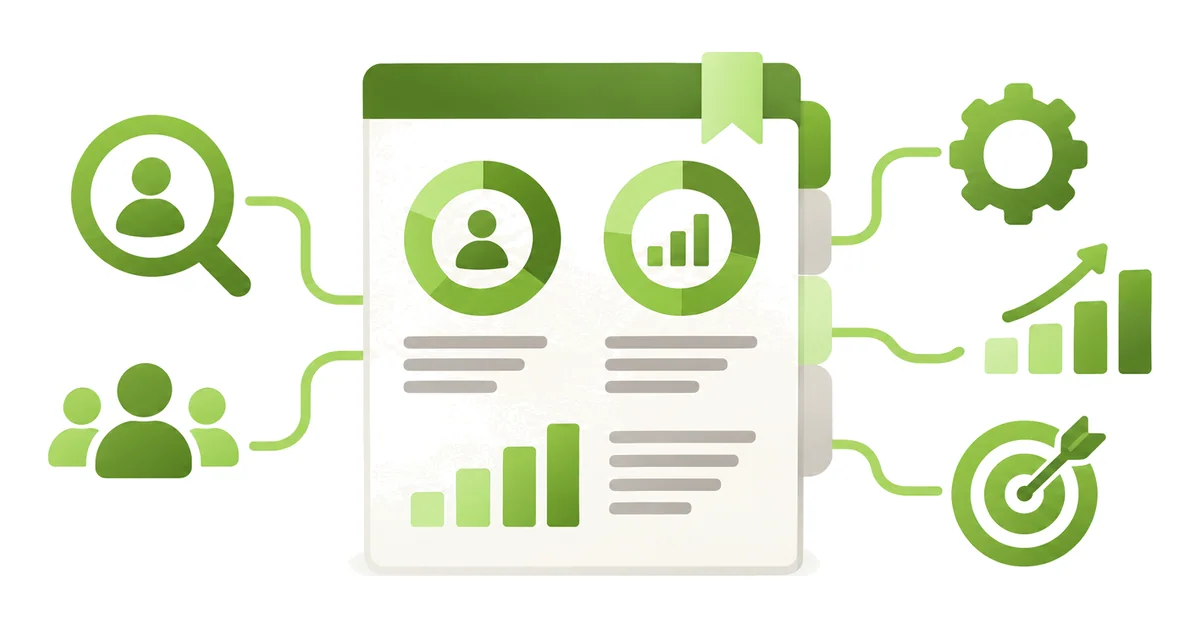
Reporting tells you what happened, such as how many people left last month. Analytics explains why, shows where it concentrates and helps you decide what to do, for example which teams, tenure bands or managers account for most exits. You need clean reporting first, and analytics builds on top of it.
How Do You Make Sure Managers Use the Results?
Findings reach managers as short summaries for their own teams, each with one suggested action. Your account manager reviews with you which findings led to decisions, and retires reports that nobody uses.
What Support Do I Get After Launch?
Yes. Your dedicated account manager monitors data quality, handles fixes and suggests improvements every month. Support is available in 5+ languages, and you receive documentation and training so your HR team stays in control of every report.
 Decisions change